
Pauline Hanson: Biography, Political Career, One Nation and Her Influence on Australian Politics
Pauline Hanson is one of the most recognizable, controversial and enduring figures in modern Australian politics. Since first entering federal…

How networks actually work
Pauline Hanson is one of the most recognizable, controversial and enduring figures in modern Australian politics. Since first entering federal…
Geld zurückzulegen ist längst nicht nur ein Thema für Menschen mit hohen Einkommen. Auch Haushalte mit durchschnittlichem Budget können Schritt…
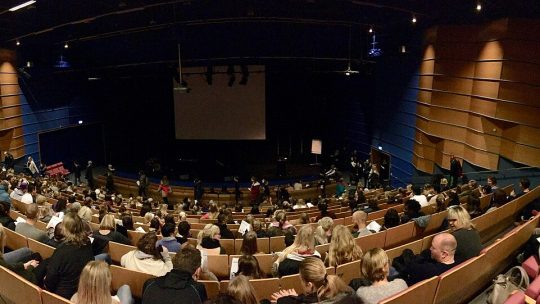
When researchers instrumented a real business mixer, guests spent half their evening with people they already knew. A pre, during and post system built around that finding.
Firm-wide remote work made collaboration networks more siloed and more static. What the Microsoft and proximity research says, and the tactics that rebuild the missing bridges.

What a profile is actually read for, why commenting beats posting for reach, and why engagement bait costs more credibility than it buys attention.

Granovetter’s 1973 paper, Burt on structural holes, and LinkedIn’s 20-million-person randomised experiment. The effect is real, and it is not linear.

Networking feels grubby when it is favour extraction. The research on asking, on the liking gap and on why instrumental networking makes people feel dirty points at a better model.

The glass-to-glass latency budget, RTMP and SRT ingest, why HLS and DASH added tens of seconds, how LL-HLS and WebRTC claw them back, and what each second really costs.
The real physics of latency in fibre, which workloads genuinely benefit from running at the edge, how edge functions and ETSI MEC differ, and the trade-offs vendors leave off the slide.
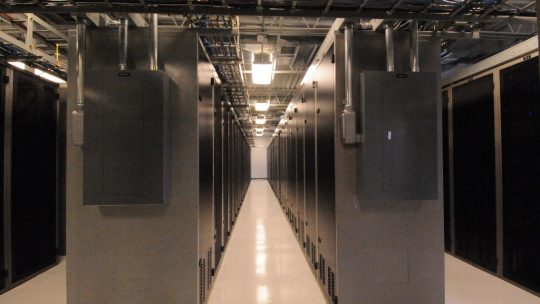
Transit versus settlement-free and paid peering, what exchange points like AMS-IX and TorIX actually do, why Netflix and Google put caches inside ISPs, and two real peering disputes.