
Adaptive Bitrate Streaming: Why Video Quality Changes Mid-Show
Segments, manifests and the ABR ladder, buffer-based versus throughput-based rate selection, CMAF, and what H.264, HEVC, AV1 and VVC actually save you.

How networks actually work
Segments, manifests and the ABR ladder, buffer-based versus throughput-based rate selection, CMAF, and what H.264, HEVC, AV1 and VVC actually save you.
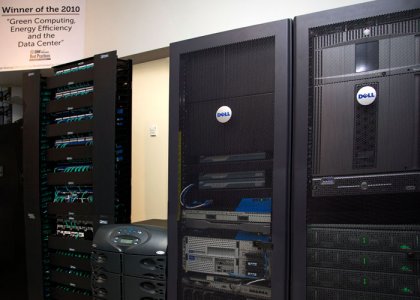
Origin versus edge, anycast and PoPs, cache hit ratio and Cache-Control headers, TLS termination — and what four confirmed CDN outages reveal about depending on one.
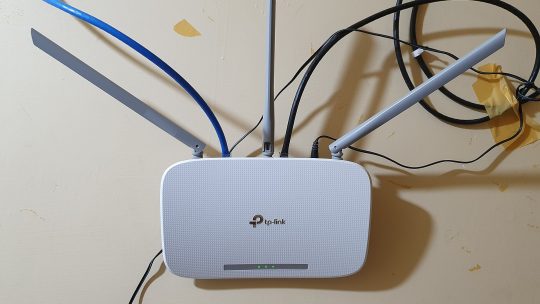
Why SAE fixed WPA2’s offline dictionary problem, what transition mode gives back, and a ten-step checklist of router settings that actually reduce risk at home.

A VPN moves your first hop from a network you did not choose to a company you paid. What that actually hides, where the leaks are, and how to read a no-logs claim.
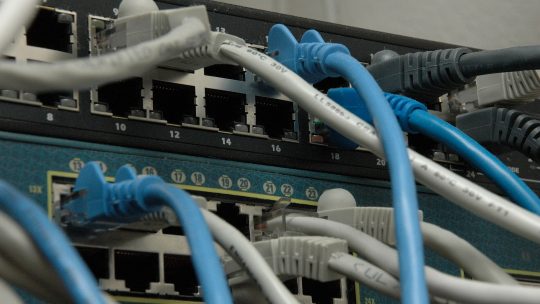
BGP moves every packet between networks and verifies almost nothing. A look at path-vector routing, real hijacks and leaks, and how far RPKI and MANRS have actually got.
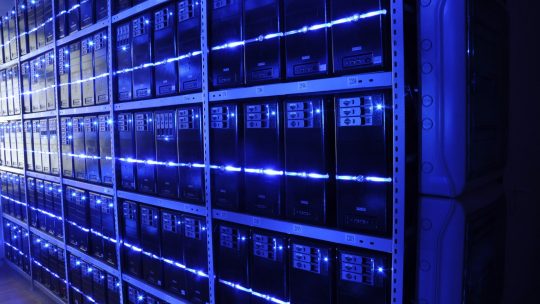
How recursive resolvers, root servers and TTLs actually work, why DNSSEC adoption stalled, and what the Dyn, Facebook, Cloudflare and AWS outages teach about failure.
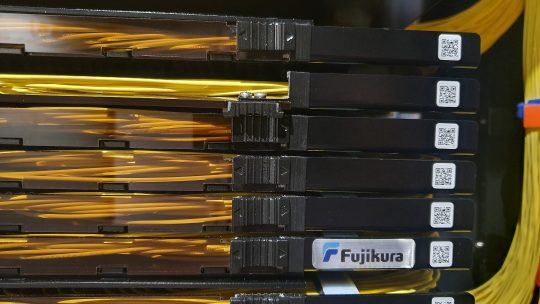
GPON, XGS-PON and 50G-PON explained: the passive splitter tree, why upstream is a scheduled queue, and what “up to” really means when thirty homes share one laser.
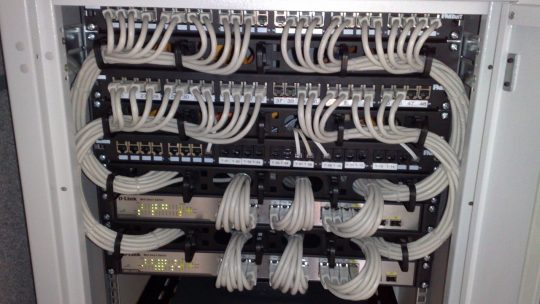
Cat5e, Cat6 and Cat6a compared against 2.5G, 5G and 10GBASE-T, plus PoE power budgets, MoCA over existing coax, and how to get a cable across a finished house.

Download speed is the least useful number on a speed test. Latency under load, jitter and packet loss decide whether calls and games work — and bufferbloat is usually the culprit.

Dead zones follow physics, not luck. Work through router placement, wall attenuation in decibels, band choice, DFS channels and real RSSI measurements before buying hardware.