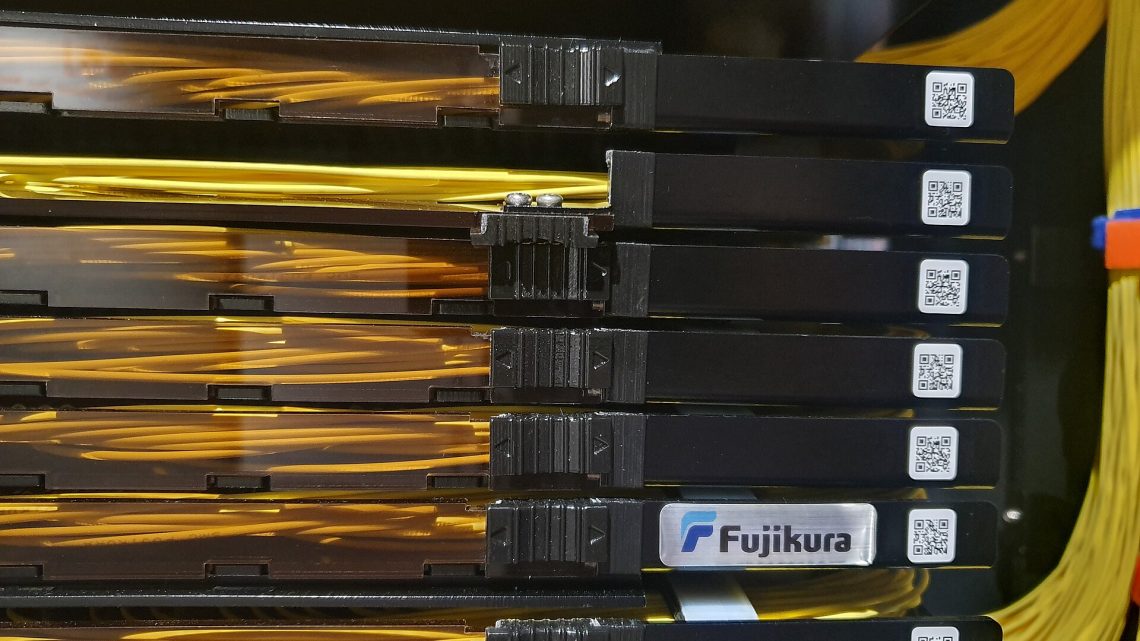
Fibre to the Home: How PON Networks Deliver Gigabit Internet
GPON, XGS-PON and 50G-PON explained: the passive splitter tree, why upstream is a scheduled queue, and what “up to” really means when thirty homes share one laser.

How networks actually work
GPON, XGS-PON and 50G-PON explained: the passive splitter tree, why upstream is a scheduled queue, and what “up to” really means when thirty homes share one laser.
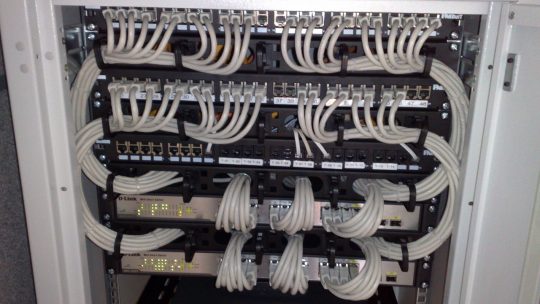
Cat5e, Cat6 and Cat6a compared against 2.5G, 5G and 10GBASE-T, plus PoE power budgets, MoCA over existing coax, and how to get a cable across a finished house.

Download speed is the least useful number on a speed test. Latency under load, jitter and packet loss decide whether calls and games work — and bufferbloat is usually the culprit.

Dead zones follow physics, not luck. Work through router placement, wall attenuation in decibels, band choice, DFS channels and real RSSI measurements before buying hardware.
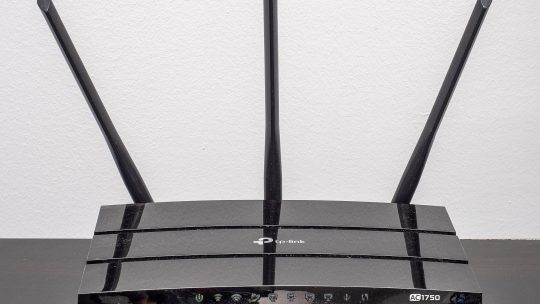
Shared wireless backhaul roughly halves throughput per hop. Here is when a mesh is worth it, when one router plus a wired access point wins, and how roaming really works.
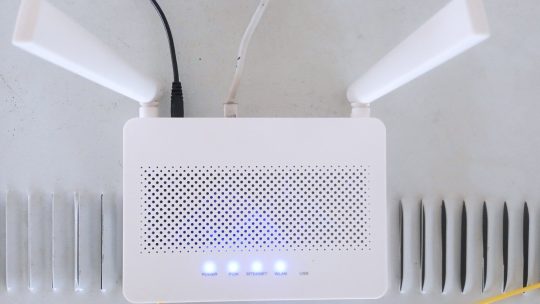
Multi-link operation, 320 MHz channels and 4K-QAM are real, but their value depends on 6 GHz spectrum rules and your client devices — not on your internet plan.