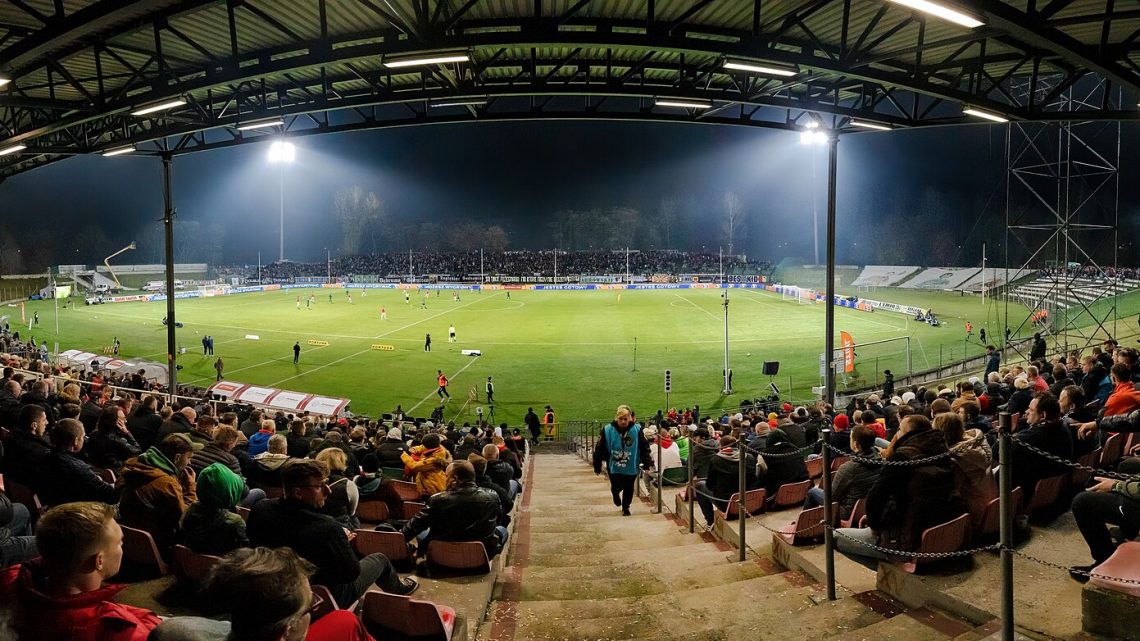
Live Streaming at Scale: Why Latency Is the Hard Part
The glass-to-glass latency budget, RTMP and SRT ingest, why HLS and DASH added tens of seconds, how LL-HLS and WebRTC claw them back, and what each second really costs.

How networks actually work
CDNs, adaptive bitrate streaming, peering economics, edge computing and live video at scale.
The glass-to-glass latency budget, RTMP and SRT ingest, why HLS and DASH added tens of seconds, how LL-HLS and WebRTC claw them back, and what each second really costs.

The real physics of latency in fibre, which workloads genuinely benefit from running at the edge, how edge functions and ETSI MEC differ, and the trade-offs vendors leave off the slide.
Transit versus settlement-free and paid peering, what exchange points like AMS-IX and TorIX actually do, why Netflix and Google put caches inside ISPs, and two real peering disputes.

Segments, manifests and the ABR ladder, buffer-based versus throughput-based rate selection, CMAF, and what H.264, HEVC, AV1 and VVC actually save you.
Origin versus edge, anycast and PoPs, cache hit ratio and Cache-Control headers, TLS termination — and what four confirmed CDN outages reveal about depending on one.